
The Rise of the ‘Familial Terror Cell’: A Case Study of Australia, Indonesia, and Sri Lanka
Md. Saiful Islam Shanto | 31 December 2025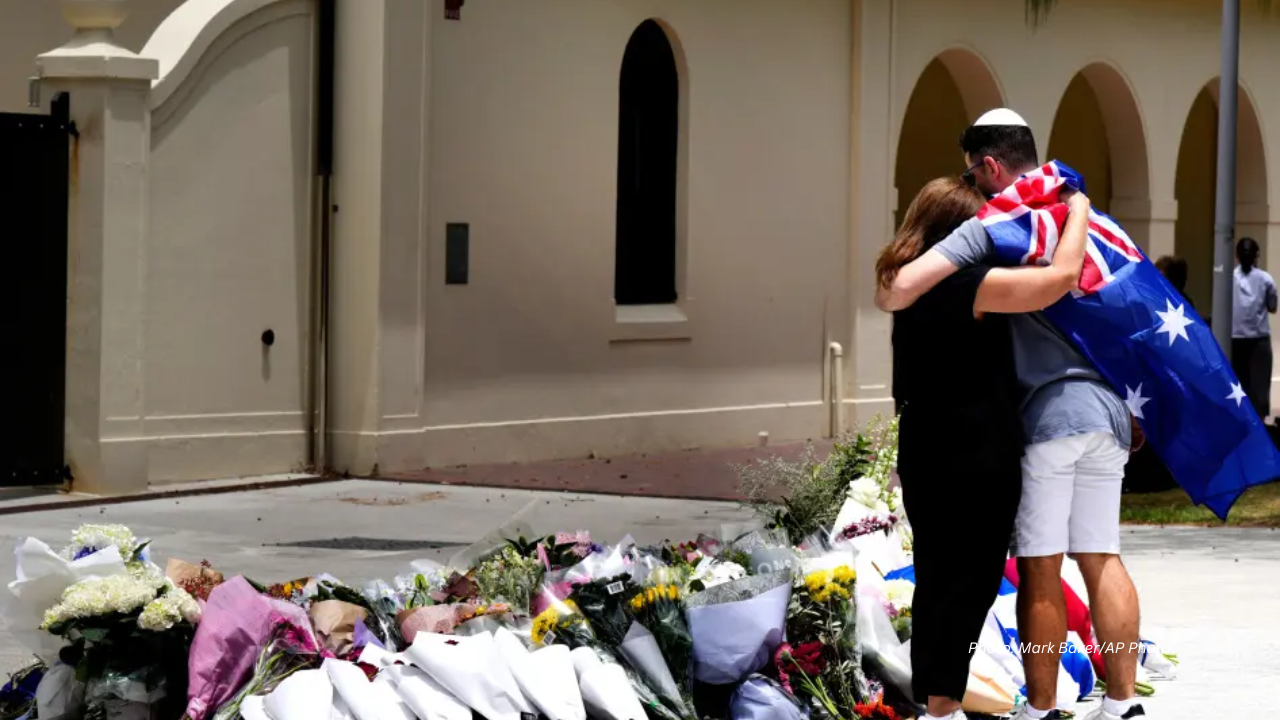
For many years, counterterrorism frameworks have largely understood radicalization as a process occurring outside the domestic sphere, driven by online platforms, extremist organizations, or peer networks. This assumption has been increasingly challenged by incidents demonstrating that ideological violence can develop and operationalize within family structures. Recent events have reinforced the need to reconsider the family not only as a site of socialization but also as a potential locus of extremist mobilization. The attack in Australia in December 2025, when examined alongside earlier cases in Indonesia in 2018 and Sri Lanka in 2019, illustrates an evolving pattern in which familial relationships function as the primary infrastructure of terrorist activity.
On 14 December 2025, an attack on Bondi Beach in Australia resulted in the deaths of 15 people, many of whom were members of the Jewish community. Australian authorities characterized the incident as a highly organized antisemitic assault. What distinguished this attack from many previous acts of violence was the composition of the perpetrators: a father and his adult son. Investigations indicated that the pair lacked a substantial online footprint signaling imminent violence and were not embedded in identifiable extremist networks. This absence of conventional indicators complicated intelligence detection and raised questions about prevailing models of threat assessment. Rather than reflecting spontaneous individual radicalization, the Bondi incident suggests a deliberate and sustained ideological formation occurring within the family unit itself.
This form of radicalization undermines the dominant “lone actor” framework that has shaped much counterterrorism policy in recent decades. While lone actors are typically conceptualized as socially isolated individuals influenced by online propaganda, familial cells operate through trust, authority, and emotional bonds. Communication within families does not generate the digital traces that intelligence agencies routinely monitor, and ideological reinforcement can occur through daily interaction rather than through formal recruitment channels. As a result, the domestic sphere becomes a space of relative invisibility from the perspective of state surveillance.
Comparable dynamics were evident during the coordinated suicide bombings in Surabaya, Indonesia, in May 2018. In that case, three families carried out attacks on churches and police installations, involving parents and children acting together. The operations were linked to Jemaah Ansharut Daulah, an extremist network aligned with the Islamic State. Although these families maintained external organizational ties, their effectiveness relied heavily on internal cohesion and unquestioned obedience within the household. The Surabaya attacks demonstrated that families could function as self-contained operational units, capable of planning and executing violence with minimal risk of internal defection.
A key distinction between the Surabaya case and the Bondi attack lies in organizational dependence. The Indonesian families required external ideological guidance and technical assistance, particularly in bomb construction. In contrast, the Australian attackers appear to have operated autonomously, relying on legally obtained weapons and locally available resources. This shift suggests a lowering of barriers to participation in familial terrorism, particularly in societies where access to weapons or tactical knowledge does not require affiliation with established extremist groups. The evolution toward smaller, ideologically autonomous family-based cells presents new challenges for prevention and intervention.
The Sri Lankan Easter Sunday attacks in April 2019 further complicate assumptions about the socioeconomic drivers of familial radicalization. The Ibrahim brothers, who carried out suicide bombings targeting churches and hotels, came from a wealthy and socially prominent family. Their access to financial resources, education, and social capital enabled them to avoid suspicion while preparing the attacks. This case illustrates that familial terrorism is not confined to contexts of deprivation or marginalization. Instead, privilege and social integration can provide concealment and operational advantages.
Across these cases, the family emerges as a particularly effective site for ideological transmission. Hierarchical relationships, especially between parents and children, lend authority to extremist narratives and reduce the likelihood of internal dissent. Within such settings, beliefs may be framed not merely as political opinions but as moral obligations tied to loyalty, identity, and belonging. This dynamic complicates conventional deradicalization efforts, which typically aim to separate individuals from extremist peer groups. Severing ideological influence within families entails profound emotional and psychological consequences, particularly for younger members.
The rise of family-based extremist activity also challenges community-oriented security strategies such as public reporting mechanisms. When planning and preparation occur entirely within households, opportunities for external detection diminish significantly. Intelligence agencies designed to intercept communication between networked actors face limitations when ideological coordination relies on face-to-face interaction. Efforts to address this gap risk encroaching on privacy and civil liberties, raising difficult ethical and legal questions about surveillance within private spaces.
Taken together, the cases from Australia, Indonesia, and Sri Lanka indicate that familial terrorism should not be dismissed as anomalous or culturally specific. Rather, it reflects a broader structural adaptation to intensified counterterrorism measures targeting public and digital spaces. As extremist ideologies face increasing constraints in overt arenas, they may retreat into private domains where trust and authority are already established. The Bondi Beach attack underscores the urgency of recognizing this shift.
Future counterterrorism strategies must therefore incorporate a more nuanced understanding of family dynamics, socialization processes, and intergenerational transmission of ideology. Building resilience against extremist narratives requires engagement not only at the community level but also within households, through education, early intervention, and accessible support mechanisms. Without addressing the domestic dimension of radicalization, security responses risk remaining reactive and incomplete. The evidence suggests that the family has become a critical frontier in contemporary terrorism, demanding careful attention from policymakers, researchers, and practitioners alike.
Md. Saiful Islam Shanto is a Research Assistant at Centre for Governance Studies (CGS).
Disclaimer: Views in this article are author’s own and do not necessarily reflect CGS policy