
From Budget to Breakdown: When a Budget Pushed Bulgarians to Protest
Tanzila Hosain Tonny | 31 December 2025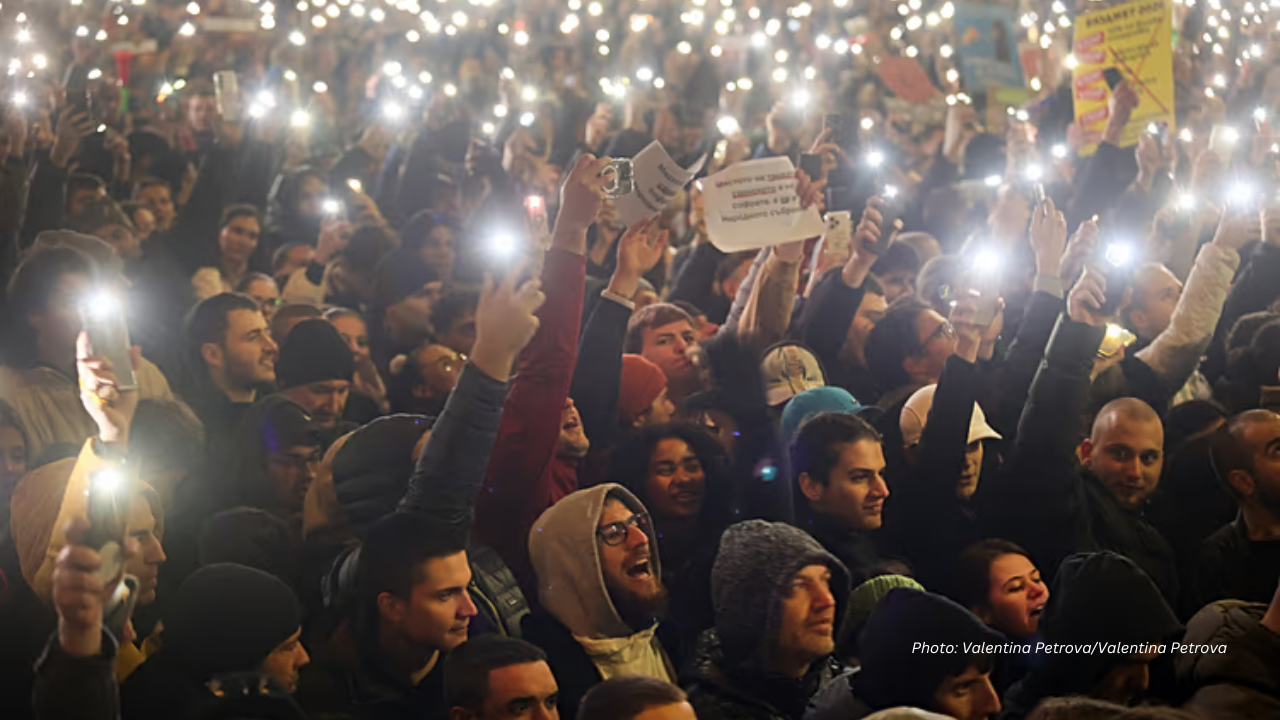
On December 11, 2025, the Bulgarian government, led by Rosen Zhelyazkov, resigned in response to extensive protests in Sofia, attended by thousands. Twenty days before Bulgaria's planned entry into the eurozone, this resignation took place ahead of a parliamentary vote of no confidence. Protesters claimed widespread corruption, a sentiment acknowledged by Zhelyazkov in a televised address after a controversial budget proposal was withdrawn the week prior.
The government's proposed 2026 budget, which critics claimed was the worst in thirty years, sparked the demonstrations in Bulgaria. The demonstrators claimed that the budget would have increased individual contributions to pension and social security programs, resulting in higher taxes to fund the salaries of high-ranking officials, government administration, and security organizations, rather than investing in social welfare programs. The proposed higher taxes and increased social security contributions came at a time when many young Bulgarians were already struggling with the cost of living, low wages, and limited job security. Protesters said that rather than benefiting productive industries like business or healthcare, which they believed were crucial for economic growth, the additional borrowing would mostly help government administration and security agencies. Despite government efforts to portray the protests as anti-Euro, demonstrators reject this framing. Rather, the movement has united citizens across the political spectrum around a common demand for the government’s resignation, placing the cabinet under renewed pressure ahead of an opposition-led no-confidence vote.
The first significant demonstration, which targeted parliamentary budget proceedings and gathered 20,000 protestors, took place in Sofia on November 26. Although initially peaceful protests increased as a result of clashes with police, and turmoil during parliamentary committee meetings escalated tensions. On November 28, protests began to sweep across the country. The movement peaked on December 1st, when between 50,000 and 100,000 people demonstrated in Sofia, with Generation Z playing a crucial role through social media mobilization. Some protests descended into violence, leading to provocative remarks, injuries, and arrests. Even after the administration formally withdrew the budget on December 2, protests persisted with more general demands, including the downfall of the government, anti-corruption measures, electoral reforms, and policy accountability.
The proposed 2026 budget and preparations for Bulgaria's joining of the euro sparked the protests, which swiftly expanded into a larger movement against corruption and weak governance. Thousands of people in Sofia and other cities expressed their dissatisfaction with a political system that they believed to be unaccountable and controlled by powerful interests by calling for the downfall of the government, fair elections, and judicial reform.Fears of growing taxes, increased costs, and corruption of public funds continued to fuel public outrage even after the government withdrew the budget. The demonstrations highlighted widespread popular mistrust and calls for a political reset before to Bulgaria's entry into the eurozone, and the crisis resulted in the resignation of Prime Minister Rosen Zhelyazkov's cabinet.Demands for institutional accountability, government resignation, and an end to systematic corruption were outlined in the protests. A larger appeal for democratic and governance reform was reflected in the central messages, which centered on fair elections, judicial independence, and the necessity of refocusing public spending on social welfare.Their involvement is significant because it shows that young people, who are frequently characterized as indifferent, are becoming more politically conscious. They decided to use the streets as a means of making their opinions known rather than disengaging. Numerous demonstrators reported that this was their first time participating in a protest, indicating apotential long-term effect on civic engagement.
In response, the administration first ignored the protests and described them as anti-Euro or opposition-driven. It withdrew the proposed 2026 budget in response to growing opposition and attempted to reassure the public about budgetary restraint and joining the eurozone. Nevertheless, the public's dissatisfaction was not mitigated by these actions. The government's last response to the situation was Prime Minister Rosen Zhelyazkov's resignation, which was subsequently approved by parliament, marking the government’s final response to the crisis.
The enormous protests in Bulgaria exposed a significant schism between the state and society, sparked by a controversial budget but deeply rooted in long-standing frustrations about corruption, inequality, and weak democratic accountability. What started as opposition to austerity measures has grown into a national movement demanding political legitimacy, institutional reform, and respect for citizens' economic and social reality.The prominent role of young people highlighted a shift in civic engagement, indicating that a new generation is no longer satisfied to be politically inactive. The resignation of the Rosen Zhelyazkov cabinet was an important shift in politics, but it did not address the underlying structural issues. As Bulgaria prepares to join the eurozone, the protests serve as a reminder that economic integration without serious governance reform risks increasing public distrust and political instability.
Tanzila Hosain Tonny is a Research Assistant at CGS
Disclaimer: Views in this article are author’s own and do not necessarily reflect CGS policy