
The Jeffrey Epstein Case: Court Records, Elite Networks, and Justice Deferred
Roman Uddin | 30 November 2025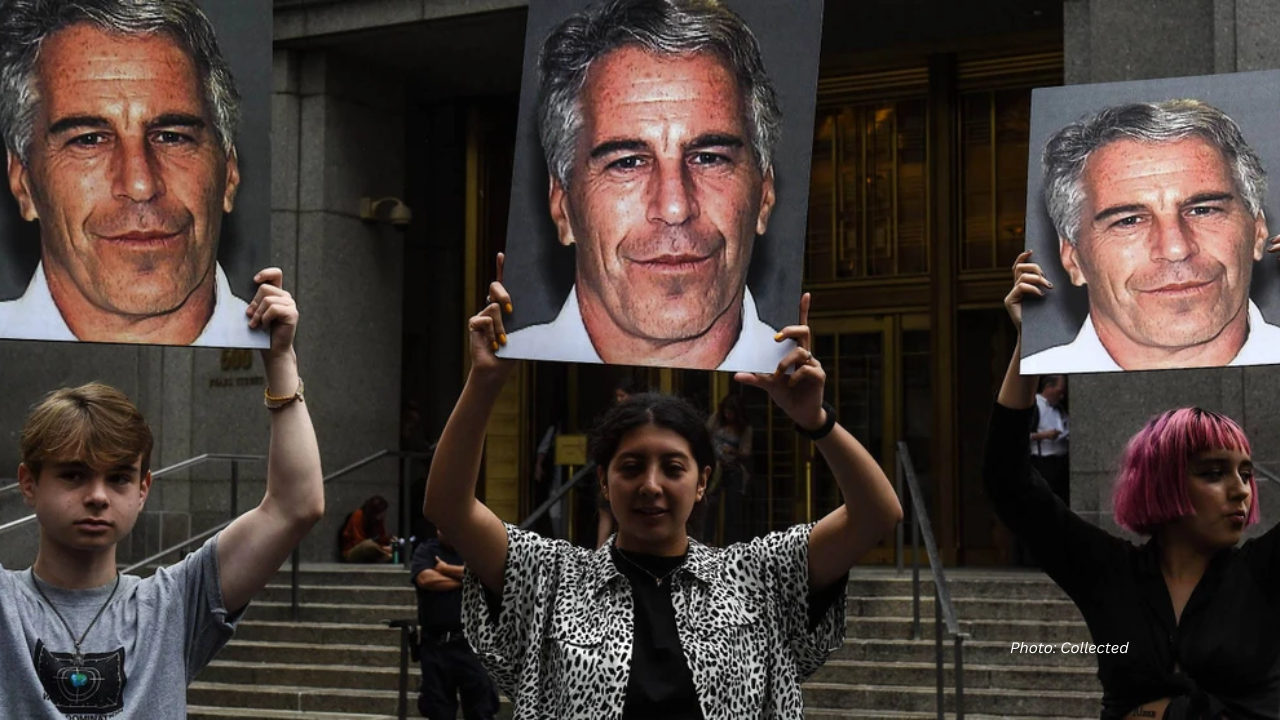
In November 2025, public discussion in the United States revisited the issue commonly known as the “Jeffrey Epstein files” in the context of ongoing legal, judicial, and institutional processes that followed earlier court-authorized disclosures. The renewed attention did not stem from a new criminal indictment or a fresh evidentiary release, but from continuing legal proceedings, unresolved disclosure questions, and the lasting implications of a case that combined large-scale sexual abuse with documented failures of accountability.
Jeffrey Epstein was a financier who, over a period extending from the 1990s through the mid-2000s, engaged in the sexual abuse and trafficking of underage girls. Court records, victim statements, and investigative materials consistently describe a pattern in which girls, often minors, were recruited through intermediaries, paid for initial encounters, and subsequently subjected to sexual abuse. Abuse occurred at Epstein’s properties in Palm Beach, New York City, New Mexico, and the United States Virgin Islands. Victims also reported being pressured to recruit other girls, indicating a structured and repeatable system rather than isolated misconduct.
The first major legal intervention occurred in 2006-2008, when federal authorities investigated Epstein for sex crimes involving minors. That investigation concluded with a non-prosecution agreement between Epstein and federal prosecutors, under which Epstein avoided federal charges. Instead, he pleaded guilty in Florida state court to lesser offenses and served a jail sentence of approximately thirteen months, much of it under work-release conditions. Court findings later confirmed that victims were not informed of the agreement, a violation of their statutory rights. This outcome became a central reference point in subsequent reviews of prosecutorial discretion and procedural transparency.
In July 2019, Epstein was arrested by federal authorities in New York and charged with sex trafficking of minors and conspiracy. The indictment detailed multiple victims and alleged conduct spanning several years. The case ended abruptly in August 2019 when Epstein died in federal custody at the Metropolitan Correctional Center. His death was officially ruled a suicide. The termination of the prosecution meant that no criminal trial occurred and no judicial determination was made regarding the full scope of his alleged network.
Criminal accountability continued through proceedings against Epstein’s associate Ghislaine Maxwell. Maxwell was charged with recruiting, grooming, and facilitating the abuse of underage girls. In December 2021, a federal jury convicted her of sex trafficking and conspiracy, and she was later sentenced to a lengthy prison term. Her conviction established, as a matter of law, that Epstein’s activities involved coordinated assistance by others.
The materials referred to as the “Epstein files” originate primarily from civil litigation brought by survivors, including lawsuits connected to Maxwell. These materials include deposition transcripts, sworn affidavits, exhibits, correspondence, and internal references submitted as evidence in civil proceedings. The documents were produced for specific legal purposes and were not compiled as a unified investigative record. Courts later authorized the partial unsealing of these materials, releasing hundreds of pages that had previously been restricted.
The unsealed records contain references to numerous public figures, including former US presidents Bill Clinton and Donald Trump. Clinton appears in the documentary record through references to travel and social interactions, including mentions in flight logs and witness statements. Clinton has stated publicly that he was unaware of Epstein’s criminal conduct and has denied any involvement. Trump is referenced through documented social and professional contact during the period when Epstein was active in elite social circles in New York and Florida. Trump has stated that he cut ties with Epstein prior to Epstein’s criminal exposure and has denied wrongdoing. No criminal charges have been filed against either individual in relation to the Epstein case.
Courts and legal authorities have repeatedly emphasized that inclusion of a name in civil filings does not constitute a finding of criminal liability. References in the files range from alleged direct contact to incidental or contextual mention. Judicial decisions governing disclosure have stressed that public access to records must be balanced against due process rights, privacy protections, and the absence of formal charges.
Beyond individual references, the files document the operational features of Epstein’s activities. Victim statements describe the use of properties, staff, transportation, and financial inducements to sustain abuse. The records also show how Epstein’s financial resources enabled extensive legal representation and negotiation with authorities, contributing to delayed or limited enforcement actions.
By the time of the November 2025 discussion, no additional criminal indictments had resulted from the unsealed materials. Freedom of Information Act litigation seeking further disclosure remained pending, and courts continued to assess requests for access on a case-by-case basis. The Department of Justice maintained that prosecutorial decisions must meet evidentiary standards and that grand jury secrecy and victim protection limit public release.
Roman Uddin is a Senior Research Associate and Youth Outreach Program Coordinator at Centre for Governance Studies (CGS)
Disclaimer: Views in this article are author’s own and do not necessarily reflect CGS policy